


Asbestos Removal Services
KK Environmental Services provides comprehensive, professional asbestos abatement for both residential and commercial properties. Our goal is to make the removal process safe, efficient, and fully compliant with all regulations.
What Is Asbestos Abatement?
Asbestos abatement is the process of safely removing or reducing the hazards associated with asbestos containing building materials (ACBM). The first step is always a professional inspection to confirm whether asbestos is present and to determine the level of risk. In some cases, intact and undisturbed asbestos can remain in place with minimal exposure risk. However, if the material is damaged or will be disturbed during renovation or demolition, a formal abatement work plan must be developed to ensure the asbestos is handled and removed safely.
Who Should Perform Asbestos Abatement?
Only trained, licensed professionals should perform asbestos abatement to protect workers and building occupants. If you suspect asbestos on your property, your first call should be to an independent industrial hygiene firm. A licensed inspector will test the suspect materials and provide a written report detailing where asbestos was found, the extent of contamination, and recommended next steps. To avoid conflicts of interest, the inspection and testing firm should be separate from the abatement contractor. If asbestos is confirmed and remediation is required, the industrial hygiene firm will prepare an abatement work plan used to solicit bids from qualified contractors.
How Asbestos Abatement Works
A proper asbestos abatement project follows strict local, state, and federal regulations. Key steps include:
- Understanding the work plan — The abatement plan outlines all required procedures and regulatory standards for safe removal.
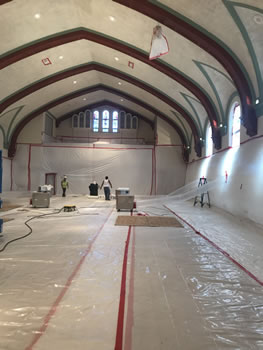
- Demarcating the work area — Hazard zones are clearly marked, and occupants are instructed to stay out until clearance testing is complete.
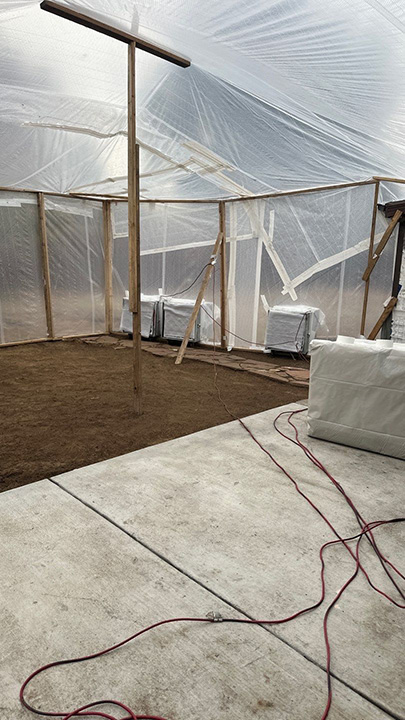
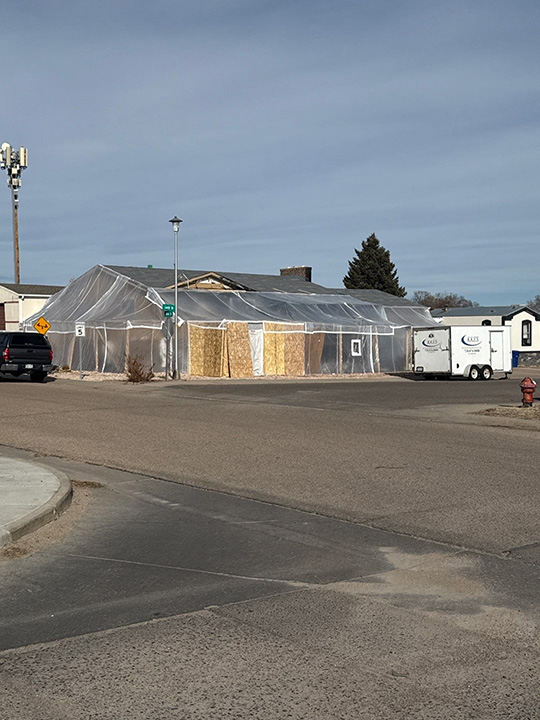
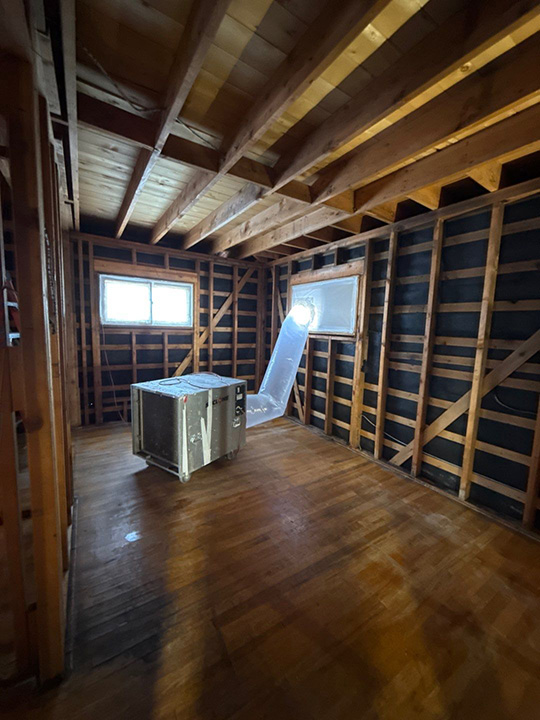
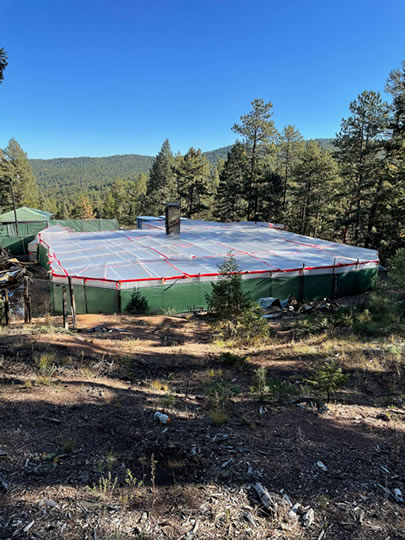
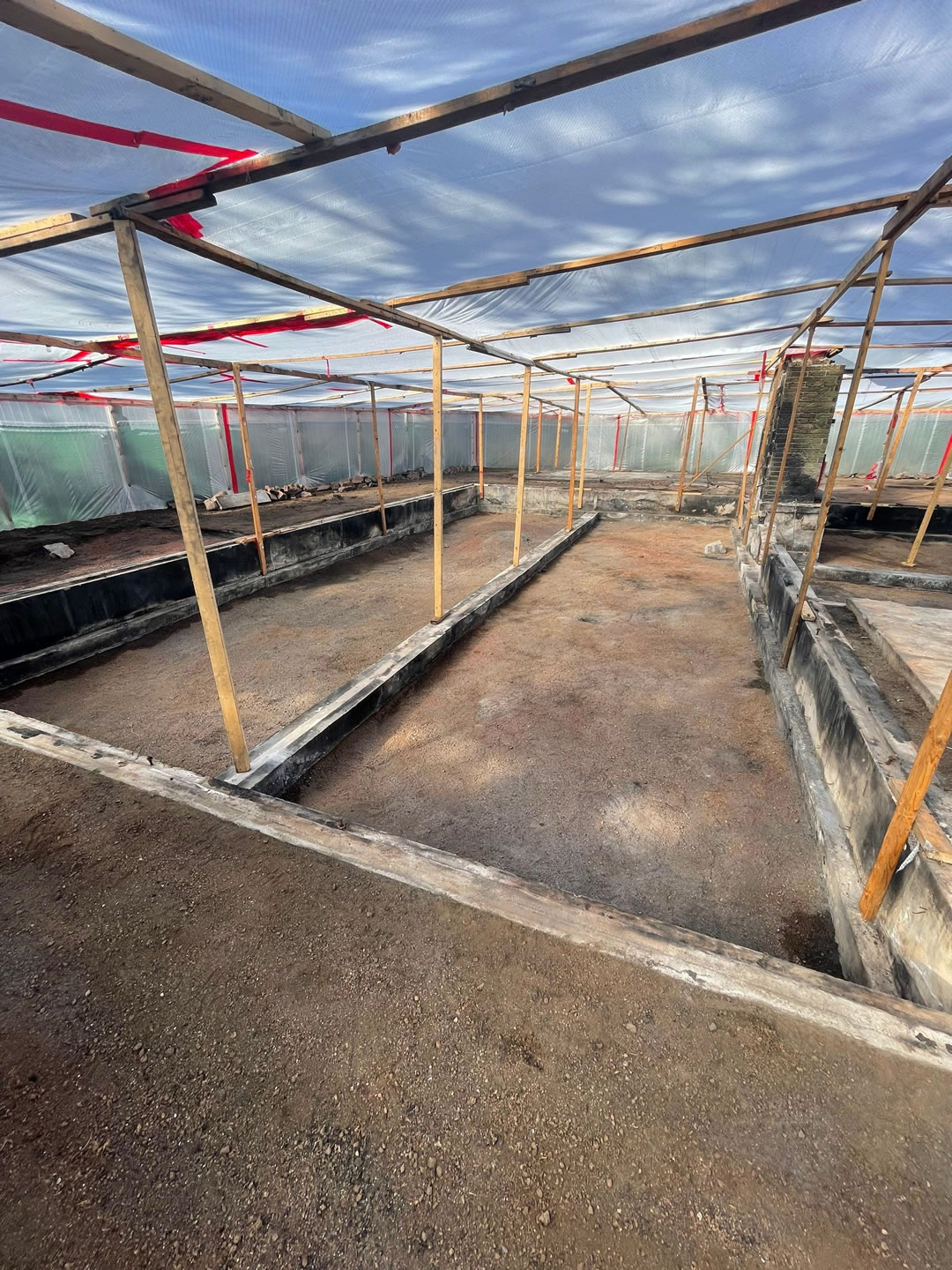
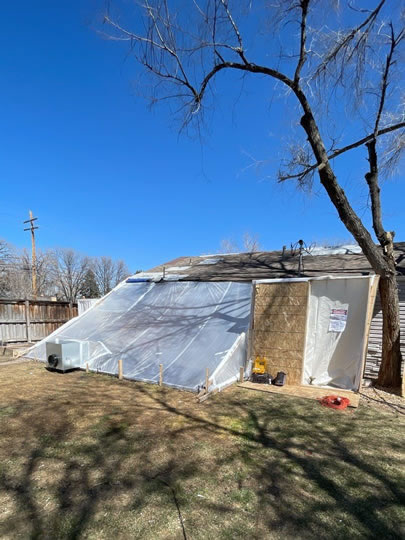
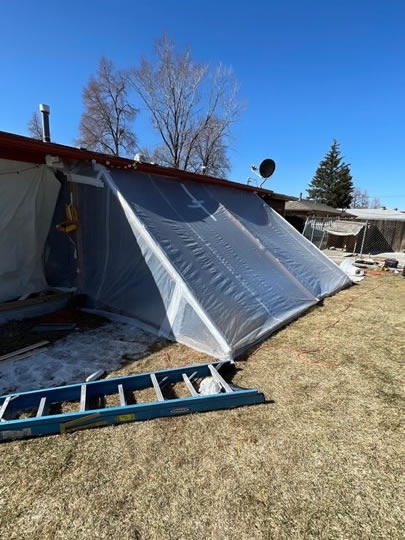
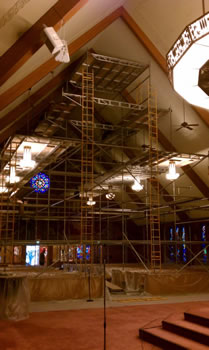
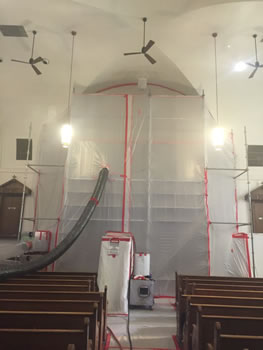
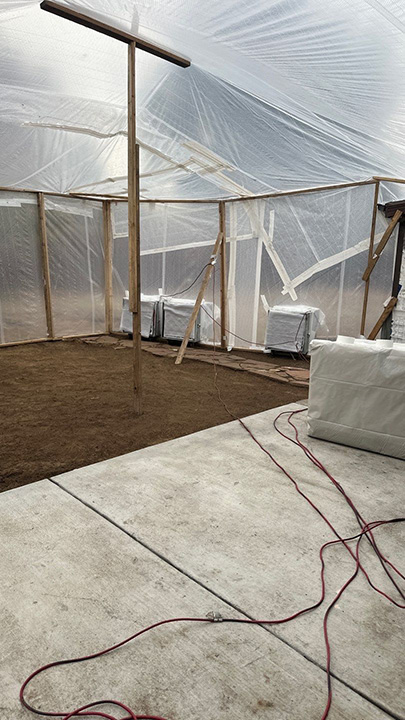
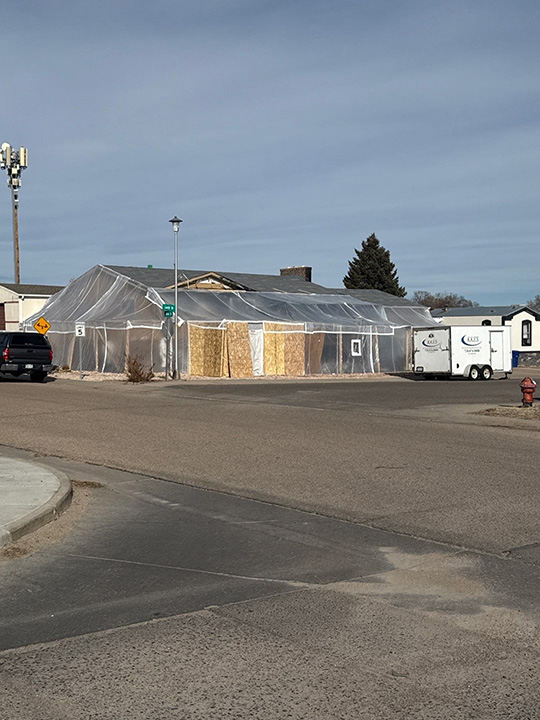
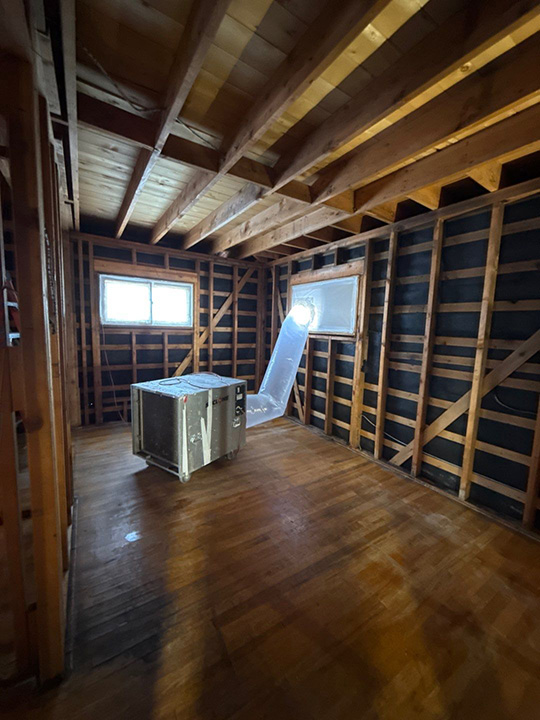
- Setting up regulated containment — The work area is sealed with 6 mil plastic sheeting, HVAC systems are shut down, and negative air pressure is established to prevent fibers from escaping.
- Negative pressure control — A negative air machine creates lower pressure inside the containment area so air flows inward, not outward. Air is filtered through HEPA systems that remove 99.97% of microscopic particles before being exhausted safely.
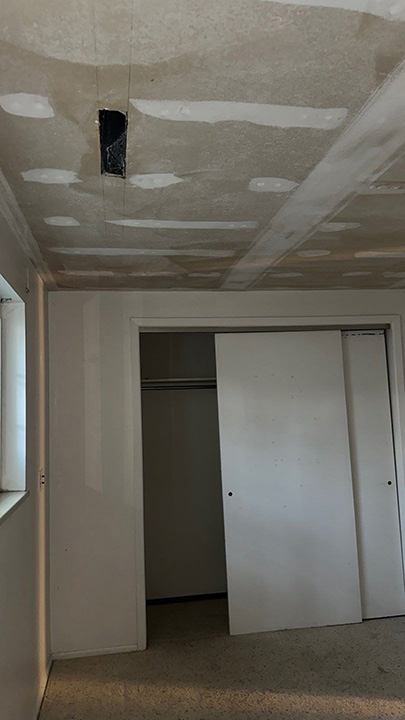
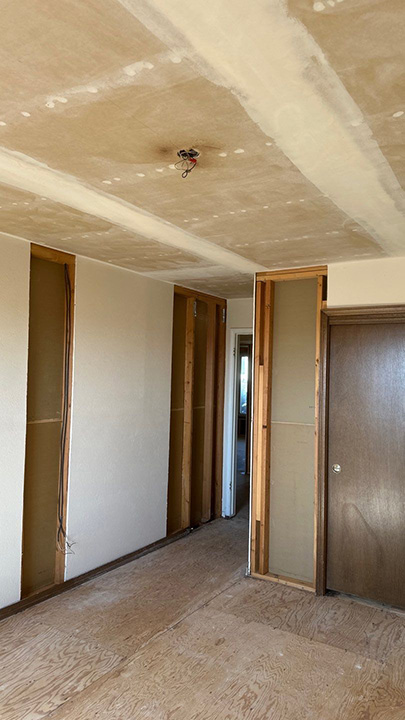
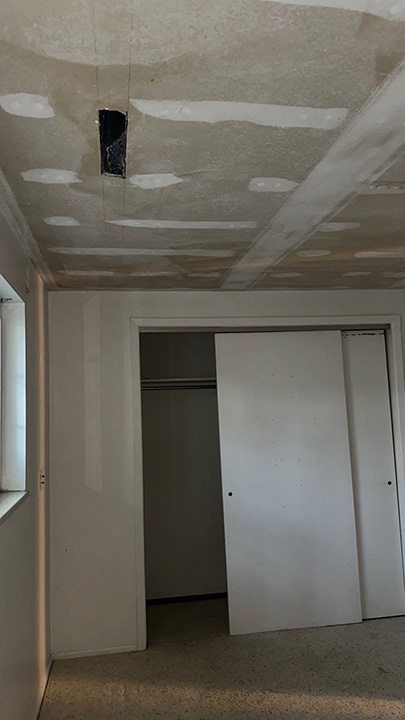
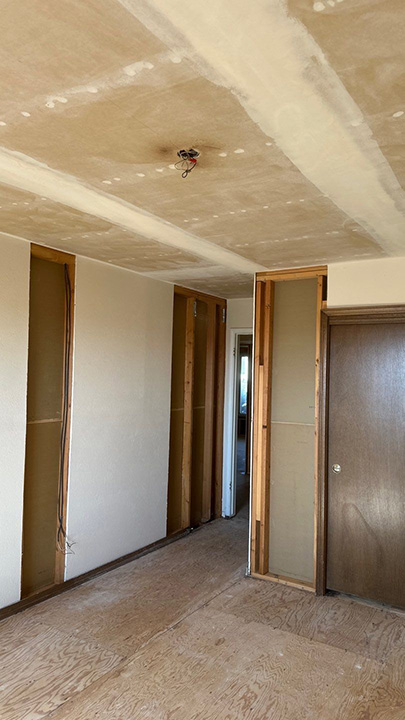
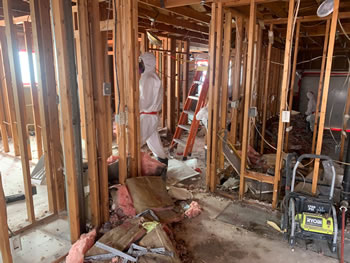
- Removing asbestos materials — Workers use wet methods and hand tools while wearing protective suits and respirators. Waste is double bagged, sealed, and transported through a decontamination unit.
- HEPA vacuuming — Specialized HEPA vacuums are used throughout the process to prevent fiber release and to clean all surfaces.
- Final cleaning and clearance testing — After removal and thorough cleaning, an independent third party firm conducts inspections and air sampling to verify the area meets clearance standards. Containment remains in place until all tests pass.
- Post cleanup — Once clearance is achieved, containment barriers are removed, the area is HEPA vacuumed again, and a final report is issued confirming compliance with state and federal requirements.
When Is Asbestos Abatement Needed?
Professional asbestos abatement may be required when:
- Materials may have been damaged by a natural or man made event
- Renovation, remodeling, or repair work will disturb suspect materials
- A building constructed before the 1980s is scheduled for demolition
- Suspected asbestos materials show signs of deterioration or damage